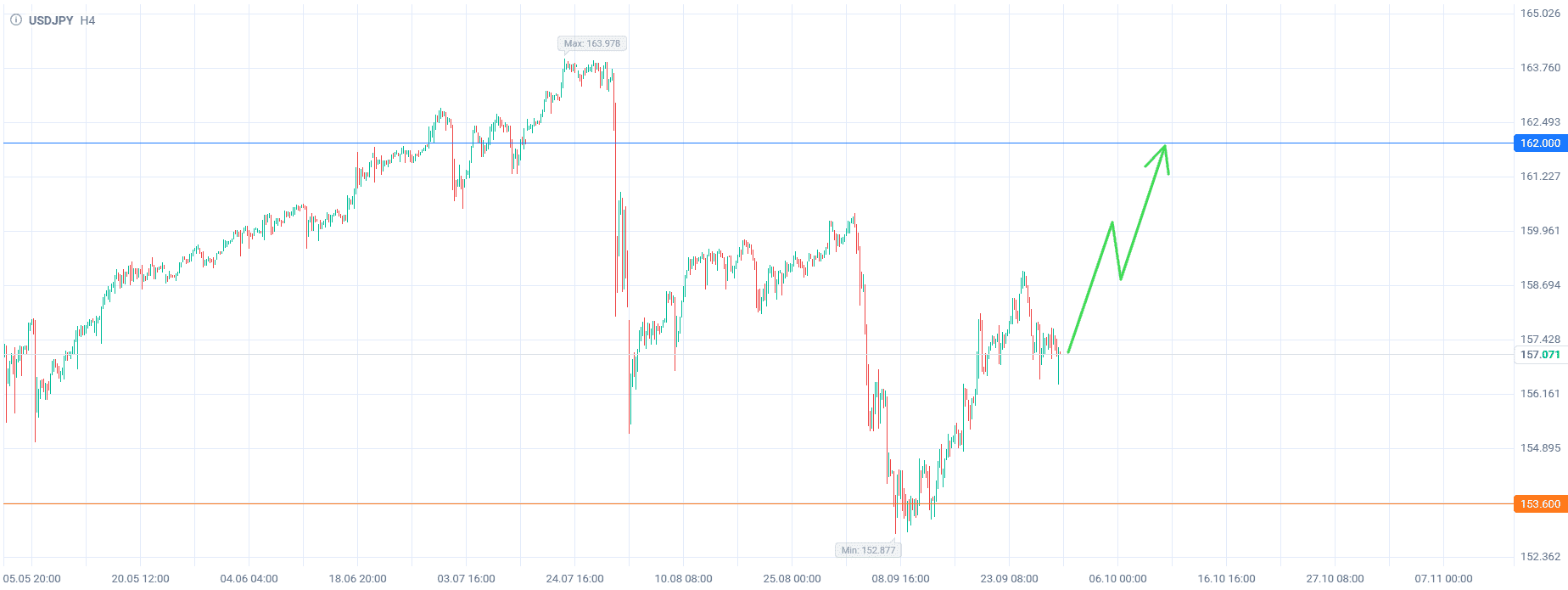

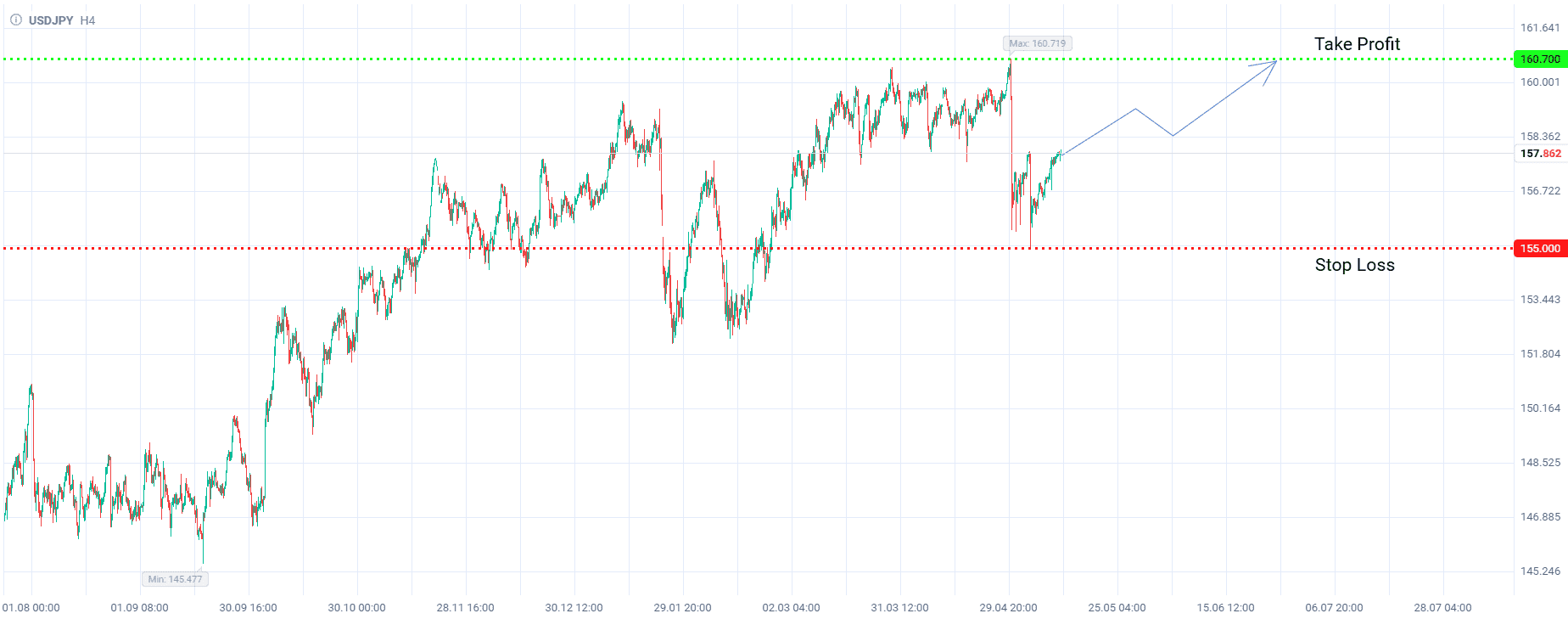
USDJPY is currently trading near 158.00, reflecting elevated volatility amid growing suspicions of another round of currency interventions by Japan’s Ministry of Finance. According to some estimates, during Golden Week, the government spent tens of billions of dollars to prop up the yen, temporarily pushing the pair down to 155.00. Authorities took advantage of thin holiday liquidity to influence the exchange rate as effectively as possible.
These interventions cooled bullish sentiment and reduced the number of short speculative positions. However, the fundamental picture remains unfavorable for the yen. The primary driver behind the pair’s rally is the significant monetary divergence between the Federal Reserve (Fed) and the Bank of Japan (BoJ). Additionally, the Asian country relies heavily on energy and food imports, making the yen’s weakness even more painful for the economy and limiting the BoJ’s scope for rate hikes.
As if this wasn’t enough, Japan is struggling with rising government debt, which now stands at nearly 250% of GDP. This week, long-term government bond yields hit new records. Returns on 10-year securities jumped to 2.6%, on 20-year notes to 3.5%, and on 30-year bonds to 3.9%. This trend automatically increases new borrowing costs and future debt servicing expenses—a serious long-term concern for investors and a key reason for further selling of both Japanese bonds and the yen.
The final recommendation:
— Buy USDJPY at the current price, targeting the 160.700 level within a couple of months.
— Place Stop Loss at 155.000, just below support, to mitigate the risk if the market plays against us.