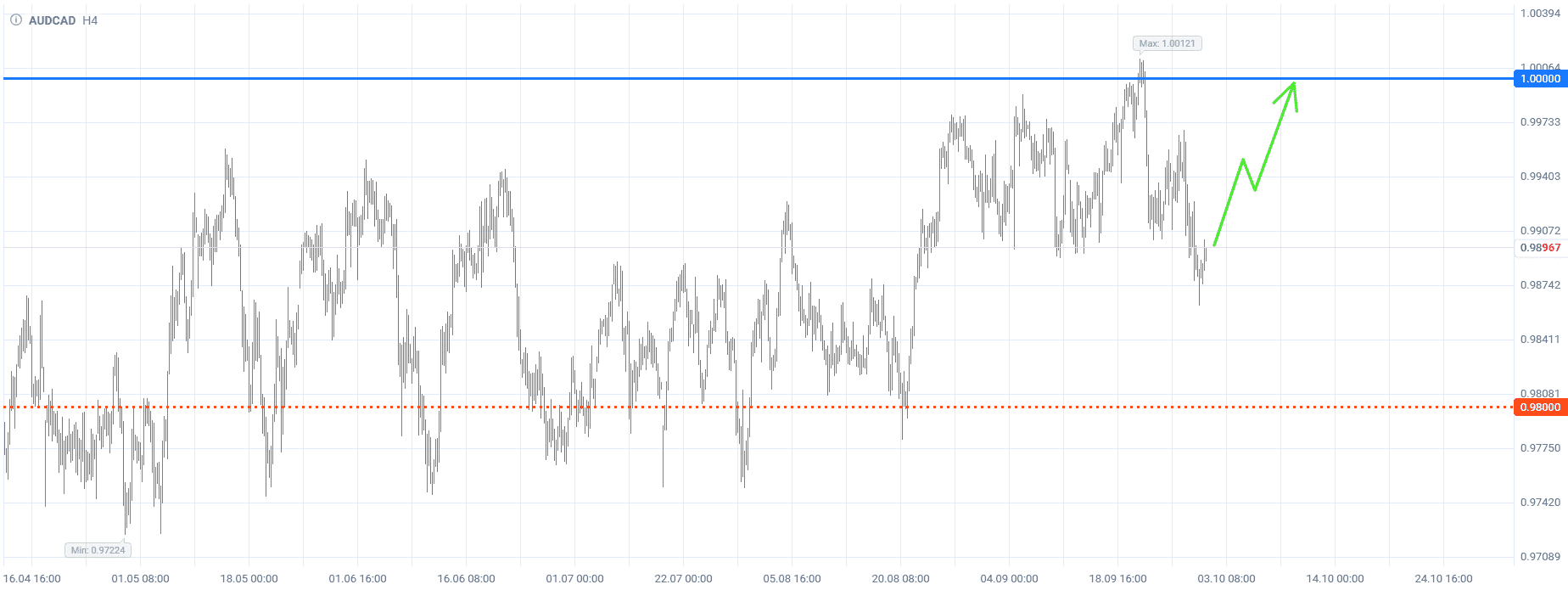

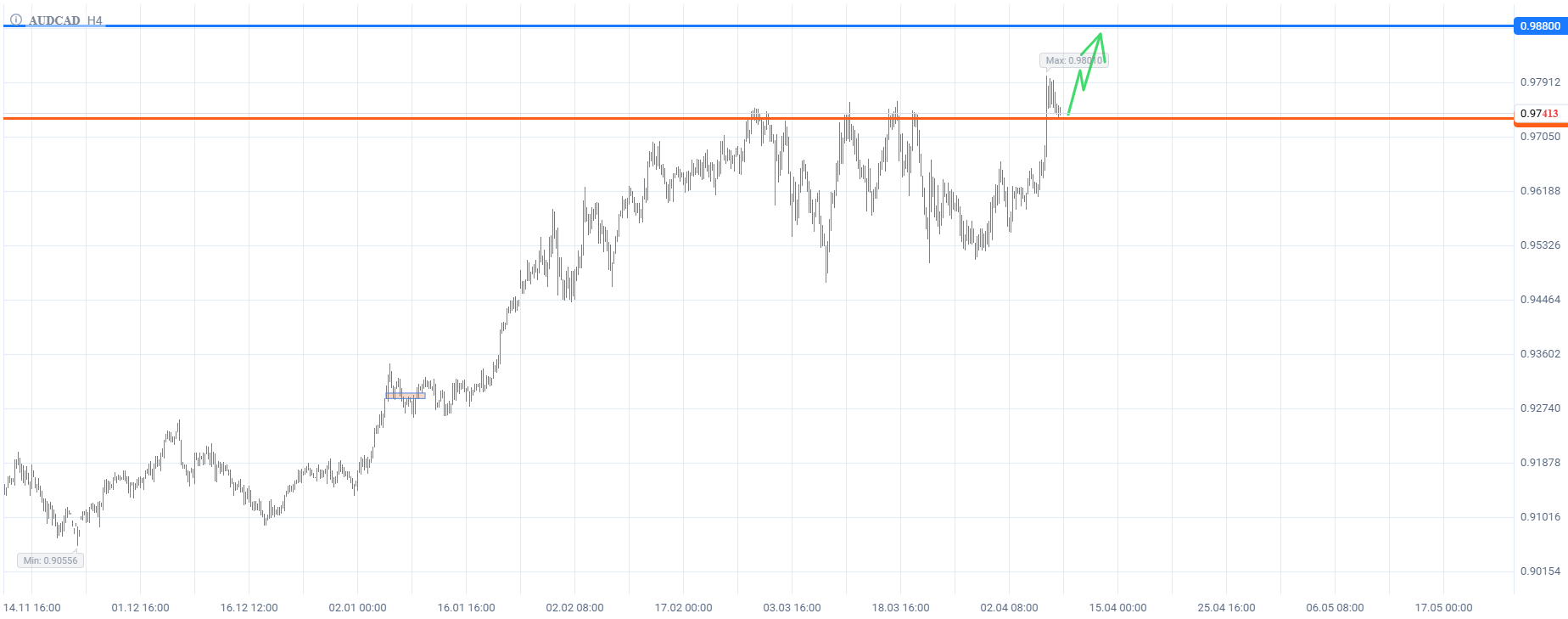
As of April 9, 2026, AUDCAD dynamics are determined by two different fundamental pictures in Australia and Canada. This divergence is currently shaping the pair’s outlook. The Aussie is in pole position, backed by its national regulator’s hawkish rhetoric and surging export prices for commodities. The loonie, in contrast, finds itself in a bind after losing the primary support pillar of high crude costs.
At the March 17 meeting, the Reserve Bank of Australia (RBA) raised interest rates by 25 basis points to 4.1%. The market is now predicting further hikes in 2026. According to May futures, there is a 55% probability of another 0.25% increase, which would bring borrowing costs to 4.35%.
We should also note that the RBA’s Index of Commodity Prices jumped 12.8% year-on-year, a level not seen since early 2023. The key drivers behind this surge are rising prices for gold, petroleum coke, and agricultural products—all of which benefit a commodity-linked currency like the Aussie.
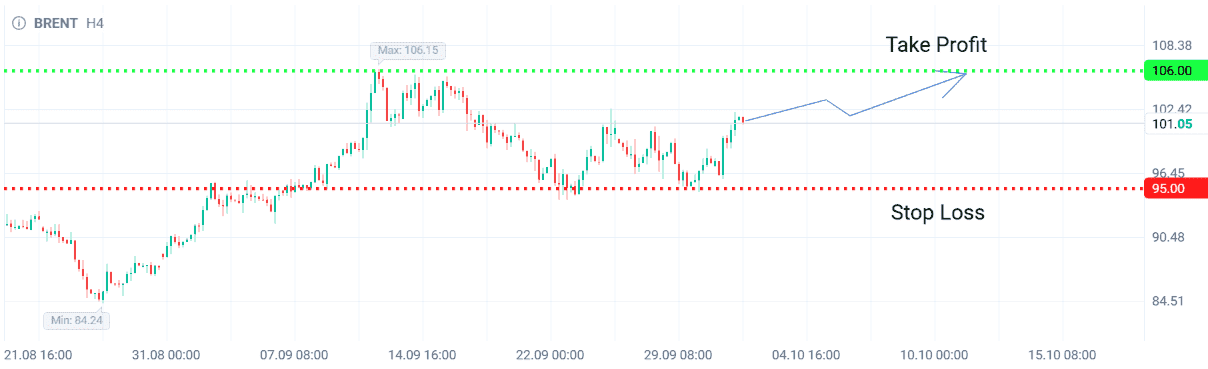
Meanwhile, a volatile oil market keeps weighing on the Canadian economy. Brent crude fell by more than 11% this week on the news of a temporary ceasefire between the United States and Iran. The fate of the Strait of Hormuz is also now at stake, with increasing expectations of the blockade being lifted.
The loonie remains closely tied to the energy market and takes every hit to the chin. Oil has tumbled from its recent peaks, depriving the Canadian currency of much-needed support and pushing AUDCAD to new highs.
The overall recommendation is to buy AUDCAD from the 1.1640 support level. Profits should be taken at 1.1790. Stop Loss could be set at 1.1575.
The volume of the open position should be calculated so that the potential loss (protected by a Stop Loss order) does not exceed 1% of your deposit. If your account balance does not allow opening a position of this size, it is better to avoid entering the market on this signal and wait for other trade options that meet low-risk criteria.